


The first PFC Property Investor Index brings together the main city-level factors we would want to check before deciding where deeper investment research is worthwhile. Building it required weeks of source work, data checks and methodology testing across current costs, income, relative value, repricing and resilience.
It is our own research model and should be used as a comparison tool, not as a promise of returns. Zagreb’s result is valuable because the same framework can surface strengths that a city’s size or reputation may hide.
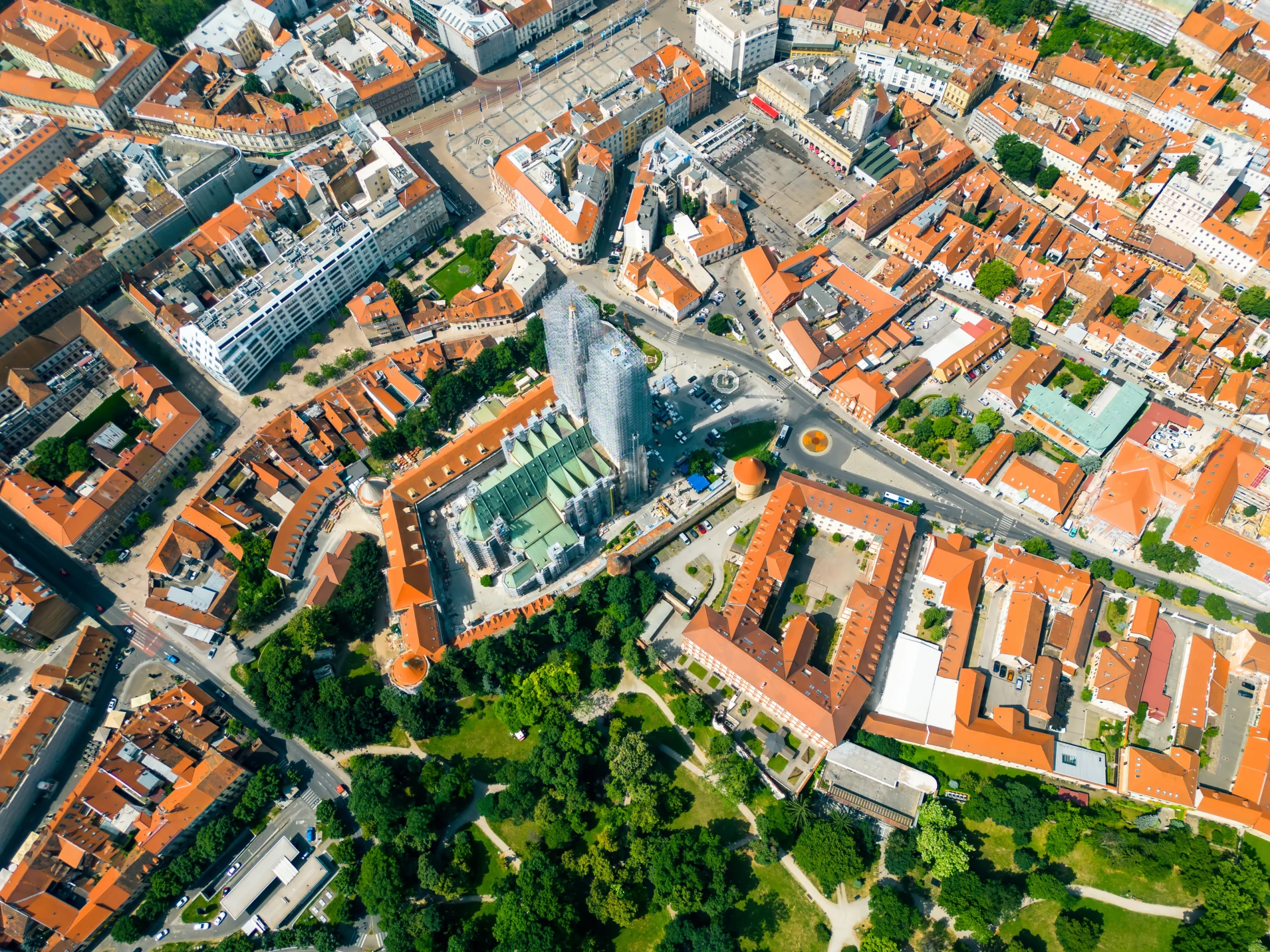
Zagreb reaches fifth place in the PFC Property Investor Index five-year ranking because strong resilience and repricing signals lift a market that receives less attention than many larger European capitals.
Zagreb is smaller and less famous than several cities in the Index. That makes its result easy to miss.
The Croatian capital ranks 5th for 5-Year Investment Potential, with a score of 62.04 out of 100. It finishes just behind Bucharest and enters the same top five as Athens, Sofia and Budapest.
Its position is not based on fame. It comes from the parts of the model that measure relative medium-term opportunity.
Two strong parts of the case
Zagreb scores 82.04 for Macro & Physical Resilience. It also scores 67.50 for Repricing Stage.
These are the two main supports in the city's 5-Year profile. They help Zagreb place above several bigger or more internationally known markets.
The result does not mean that Zagreb is free from risk. Macro & Physical Resilience is a combined component in the PFC method. It includes country-level financial measures and a physical heat measure. It does not inspect the condition of a specific building.
Repricing Stage is also a model signal. It is not a promise that home prices will rise.
A different picture today
Zagreb ranks 8th in the separate Current Investment Case table. The city therefore looks stronger in the five-year view than it does under today's starting-condition test.
The buying-power benchmark helps explain part of the current picture. Under the standard PFC method, €250,000 buys about 52.5 square metres in Zagreb.
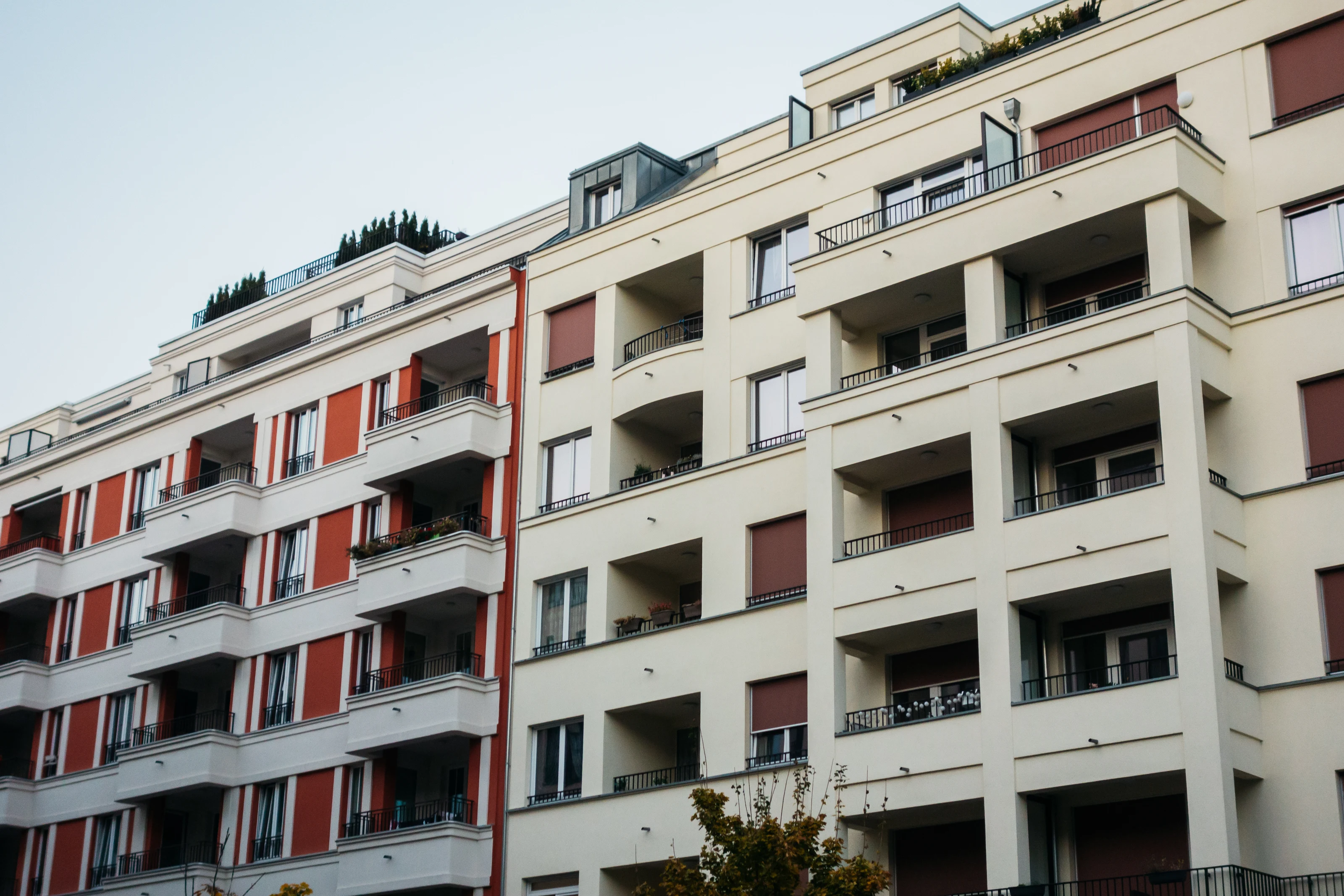
This is a city benchmark. It is not a promise about the size, condition or location of a real home. Live listings may show different results because they use a different sample, date and property mix.
The two ranks serve different investor questions. Current rank 8 describes today's relative starting conditions. Five-Year rank 5 describes relative medium-term opportunity under the frozen PFC method.
Building checks still matter
Zagreb's Index position does not remove the need for careful property checks.
Building age and condition can change the real cost of a purchase. Buyers should also examine repair history and any work linked to earthquake damage or later strengthening. These checks belong at property and building level.
This article does not give legal or engineering advice. It explains why the city ranks where it does. A buyer still needs qualified local help before making a decision.
That point is important because a city-level resilience score and a building-level inspection answer different questions. A strong city score cannot prove that one apartment block is safe or well maintained.
Why Zagreb deserves a closer look
Zagreb's result shows why a common comparison can be useful. A well-known city does not receive extra points for its name. A less-covered city can rise when its data are tested under the same rules.
With 62.04 points, Zagreb reaches 5th place in 5-Year Investment Potential. Strong resilience and repricing signals lead the story. Its lower Current rank and the need for building checks keep the result in context.
The Index does not say that Zagreb is a guaranteed winner. It says that the city has a competitive relative five-year case that deserves proper research.
Explore the PFC Property Investor Index and its current and five-year views.
Continue the PFC Index research
Read the previous PFC Index article, continue with Bucharest’s current investment case, or return to the PFC Property Investor Index Hub.